
Skills Based Approaches



Our Skills-Based Approaches programs are designed to help you build practical tools for navigating emotions, managing urges, and supporting recovery.

Many people with eating disorders use disordered behaviours to cope with overwhelming or confusing feelings.
Whether you tend to shut down, feel out of control, or struggle to identify your emotions, these programs offer a structured, supportive space to build emotional awareness and regulation.
Drawing from evidence-based practices like Dialectical Behaviour Therapy (DBT) and Cognitive Behavioural Therapy (CBT), you’ll learn coping skills that promote stability, reduce distress, and strengthen your recovery.
Through guided exercises and real-life applications, we focus on shifting from reactive patterns to intentional responses. These skills not only support day-to-day resilience, but also lay the groundwork for long-term emotional and behavioural change.
SKILLS BASED APPROACHES
FALL PROGRAMS
ALL PROGRAMS ARE FREE - NO DIAGNOSIS REQUIRED
Nutrition & Perfection Workshop & Group
Breaking All or Nothing Thinking: Workshop
Facilitator: Taylor Angelise
Breaking All or Nothing Thinking: Group
Facilitator: Taylor Angelise (CNP, NNCP, PH )
PLEASE NOTE:
This is a learning series with a different theme each week. You are required to register for each session separately.
Date: October 26, 2026
Time: 6:30-8:00pm
Location: Online
Capacity: 20
Open to: Canada wide
Introduces mindfulness practices to help you reconnect with the present moment and your own experience. You'll learn to observe thoughts and emotions without judgment and respond to discomfort with greater awareness and compassion.
Date: November 2 - 23 2026
Time: 6:30-8:00pm
Location: Online
Capacity: 20
Open to: Canada wide
November 9: The Illusion of Control
Eating disorders can create a false sense of safety through numbers, the scale, calories, macros, steps, clothing sizes or exercise but eventually, what once felt like control can begin controlling us. This week explores what sits beneath the need for control and how we can begin building a sense of safety, trust and stability without relying on numbers, rules or rigid behaviours.
November 23: Self-Care Without Having to Earn It
Eating disorders can make nourishment, rest and self-care feel like rewards that must first be earned through restriction, exercise, productivity or being “good enough.” In our final week, we will challenge this belief and develop realistic ways to practice nourishment, rest, boundaries and self-care simply because our bodies and minds deserve to have their needs met.
November 2: Recognizing Perfectionism in the Eating Disorder
Participants will explore how perfectionism can show up through food, body image, exercise, appearance and the need to “do recovery right.” We will identify personal rules, expectations and triggers while beginning to recognize when perfectionism and the eating-disorder voice are influencing our choices.
November 16: Self-Worth, Self-Compassion & the Inner Critic
This week explores how self-worth can become attached to weight, appearance, productivity, discipline and the approval of others. Participants will examine where these expectations originated, learn to distinguish their own voice from the eating-disorder voice, and begin replacing criticism with self-compassion.
Dialectical Behaviour Therapy: Learning Series
Facilitator: Keisha Kennedy (MA, CCC)
Date: Sundays, Sept 13 - Oct 4
Time: 9am–10.30am
Location: Online
Capacity: 20
Open to: Canada wide
PLEASE NOTE:
This is a learning series with a different theme each week. You are required to register for each session separately.
Sept 13: Mindfulness
Introduces mindfulness practices to help you reconnect with the present moment and your own experience. You'll learn to observe thoughts and emotions without judgment and respond to discomfort with greater awareness and compassion.
Sept 20: Distress Tolerance
Introduction of DBT-based strategies for getting through painful emotional moments. You'll learn grounding techniques, distraction tools, and self-soothing practices to help you stay steady when emotions feel overwhelming.
Sept 27: Emotional Regulation
Learn practical tools to help you understand and manage emotions without turning to harmful coping strategies. You'll learn how emotions work, how to recognize them early, and how to build resilience and increase positive experiences.
Oct 4: Interpersonal Effectiveness
A focus on building healthy communication and relationship skills to support your recovery. You'll learn how to ask for support, set boundaries, and maintain self-respect in challenging interactions.
Men’s Workshop
Facilitator: Lateef Habib
Date: Tuesday, November 3
Time: 6:30pm-8:30pm
Location: Online
Capacity: 20
Open to: AB only
Eating disorders affect people of all genders, yet men often face unique challenges, barriers, and misconceptions when seeking support. This 2-hour introductory workshop provides a safe, supportive space for men to learn about the male experience of eating disorders, connect with others, and gain practical insights and resources to support their recovery journey.
OUR FACILITATORS
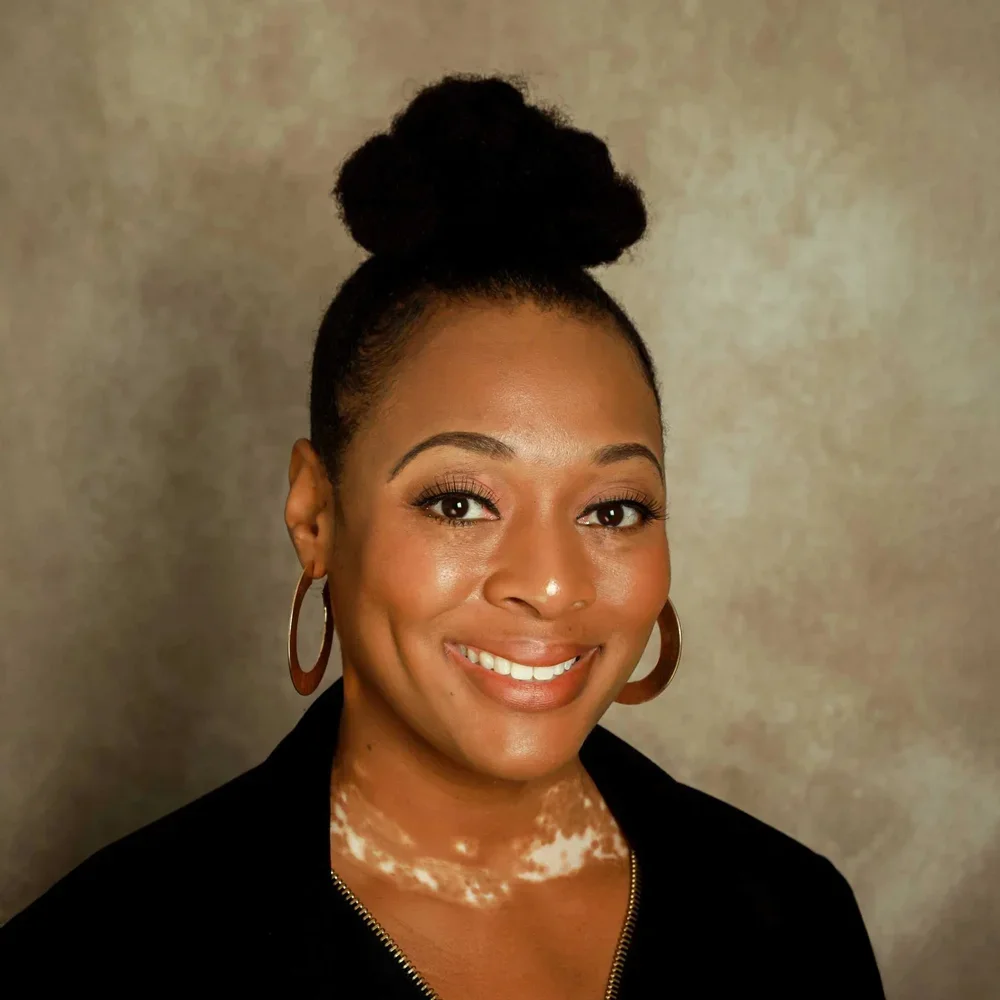
Keisha Kennedy
Registered Clinical Counsellor

Taylor Angelise
CNP, NNCP, PH

Lateef Habib
Registered Social Worker
Need One-on-one Recovery Guidance?
EATING DISORDER RECOVERY SUPPORT
We know that navigating eating disorder (ED) recovery options can be overwhelming. Our Recovery Navigator has in-depth knowledge of the wide array of public and private recovery options in the province.