
Resources For
Loved Ones

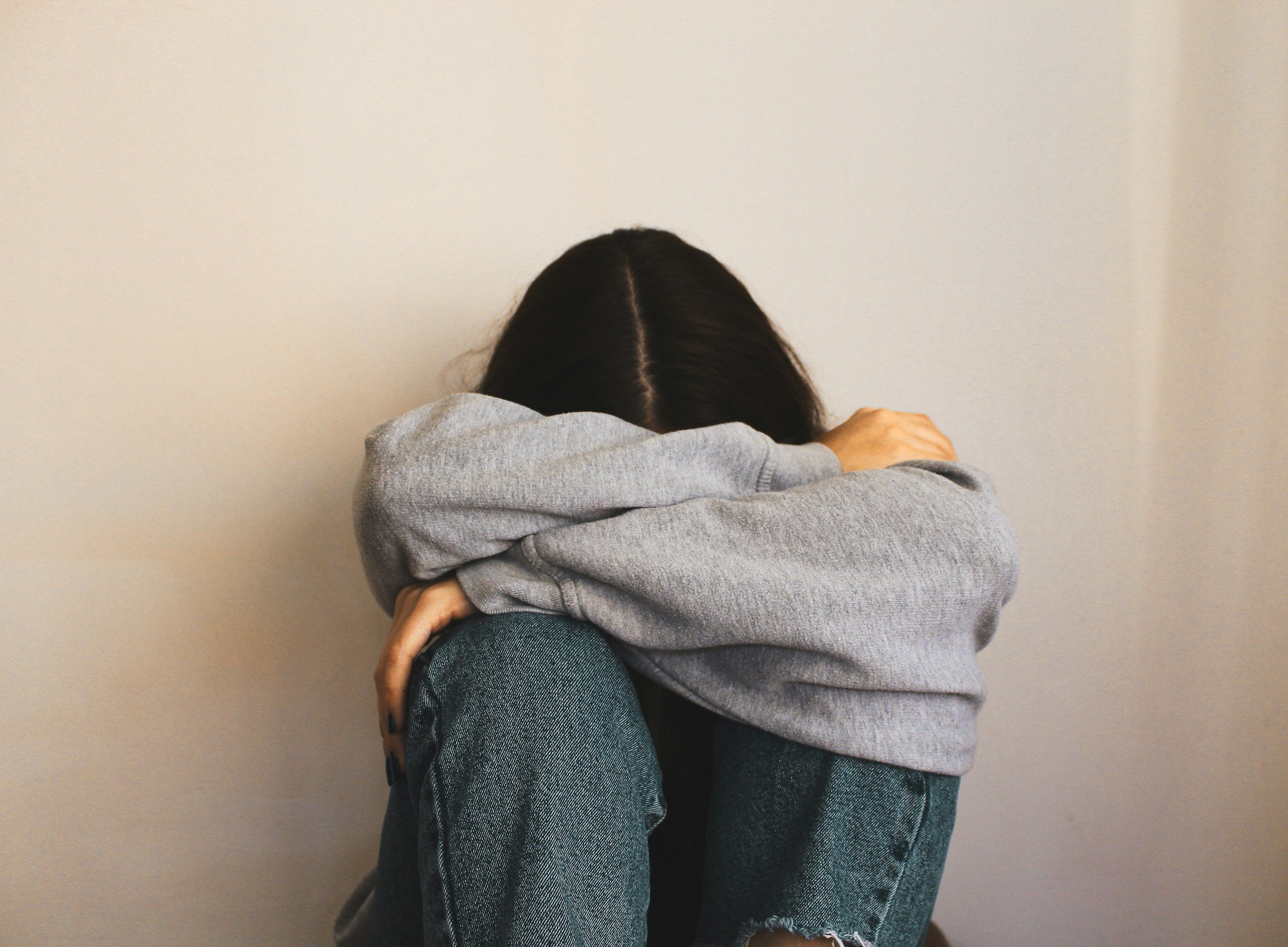
Supporting someone with an eating disorder is challenging, but you don’t have to do it alone.
It’s common to feel anger, fear, confusion, or guilt when supporting someone who is struggling with a mental illness. Eating disorders, in particular, can be especially challenging to navigate.
Individuals experiencing an ED often struggle to acknowledge the problem and as a result, they may avoid conversations around the topic. They may also reject or struggle to seek or remain in treatment.
Consistent emotional support is crucial, as recovery can be a long process and relapse is not uncommon.
Remember: eating disorders are not caused by a lack of willpower or by personal failings. While they are a complex mental illness, they are also highly treatable and recovery is possible.
The good news: help is available, for your loved one and for you.
Eating Disorders ARE:
A complex mental illness that can impact anyone, regardless of age, gender, race or background


Serious and require proper support in order to recover
Potentially life threatening

Always life diminishing

Treatable, especially with proper intervention, appropriate care and ongoing support
Eating Disorders ARE NOT:
A choice

A sign of vanity

Just a preoccupation with appearance

Solely defined by low weight

Only experienced by young women

The most important thing to remember when caring for your loved one is to practice self-care.
It can be extremely draining to see someone you love suffering from an eating disorder and it is easy to let the illness take over your life.
It may seem unfair to take breaks when someone you love is struggling, but it is crucial that you protect your health so you can be the strongest support for them. Remember that you are doing the best that you can and take a moment each day to distress and reset yourself.
What are common signs of eating disorders?
EATING DISORDER RECOVERY SUPPORT
It can be difficult to recognize an eating disorder. These illnesses are often surrounded by secrecy and shame, and they can look very different from person to person. While each eating disorder is unique, there are some common signs you can watch for. This list of symptoms is directly from the Public Health Agency of Canada:
Irritability, depression and social withdrawal
Excessive preoccupation food, be it with calories, or "healthy” / “clean” eating.
Frequent negative comments about their appearance, weight or shape
Restriction of food intake or skipping meals
Significant weight loss or weight gain (regardless of previous weight)
Making excuses to avoid eating
Compulsive exercising
Frequently eating excessive amounts of food in a short period of time
Consuming food in secret, alone or at night
Using laxatives or diet pills
Going to the bathroom immediately after eating

Why do people get eating disorders?
Eating disorders do not have a single cause and each case will be different. They are influenced by several factors and typically in some combination.
Biological Factors
Irregular hormone functions
A genetic component
has been identified in the development of eating disorders
Psychological Factors
Negative body image /
body dissatisfactionInternalization of the
"thin" idealPoor self-esteem
Equating appearance
with worth
Body Image Factors
The perseption of our own physical body (e.g., size, shape, appearance)
Our attitude towards
our physical selves (e.g., thoughts, feelings, beliefs).
Environmental Factors
Dysfunctional family dynamics
Professions / careers / sports that promote weight loss
Excessive social media use
Exposure to the thin-ideal portrayed by the media
Why Does Body Image Matter?
Body image is not about how someone looks, it’s the personal, deeply felt relationship someone has with their own body. This relationship can be shaped by a constantly shifting blend of culture, media, family dynamics, lived experiences, emotions, and societal expectations. Body image isn’t determined by measurements or weight; it’s defined by how a person perceives and feels about their body, regardless of how it appears to others.
Because body image is internal and complex, changing outward appearance through dieting or exercise rarely resolves the underlying issues. In fact, when someone is struggling with an eating disorder, their thoughts and feelings about their body can become severely distorted, intense, and overwhelming.
For those who have never experienced negative body image, concerns about appearance may seem minor or superficial. But for someone with an eating disorder, body image can be deeply tied to self-worth, identity, and emotional safety. Minimizing or dismissing these struggles doesn’t just miss the mark, it can reinforce shame and make it harder for the person to open up or seek help.
Understanding how consuming poor body image can be is essential to offering compassionate, meaningful support.

Types of Eating Disorders
EATING DISORDER SUPPORT FOR LOVED ONES
There are several types of eating disorders, and people may experience more than one at once. While each type has unique recovery needs, it’s important for caregivers to remember that all eating disorders benefit from steady, patient, and compassionate support.
Refusing to eat or heavily restricting one’s diet in order to maintain a low body weight.

Anorexia Nervosa (Anorexia)
Eating large amounts of food in a short period of time and then purging that food in an attempt to prevent weight gain (such as vomiting, excessive exercise, laxatives).

Bulimia Nervosa
Eating excessive amounts of food in a short period of time. This is not the same as overeating.

Binge Eating Disorder (BED)
Avoidant/Restrictive Food
Intake Disorder (ARFID)

Refusing to eat certain foods due a negative past experience or an extreme dislike of the food's characteristics (appearance, smell, taste, texture, brand, presentation) to the point that nutrition needs are not being met.
Bringing back up and re-chewing partially digested food that has already been swallowed.
Rumination Disorder
Pica
Eating non-digestible items for at least one month.
When supporting a loved one with an eating disorder…
DO:
Learn about eating disorders so you can recognize the signs to watch for
Remember eating disorders are serious and require help in order to recover.
Listen to your loved one with understanding, respect + sensitivity
Tell them you are concerned, that you care and would like to help
Encourage them to seek professional help from a physician and/or therapist
Be available for morale support
Discuss feelings rather than food, weight or exercise
Empower them to make their own decisions and be accountable for their decisions
DON’T:
Take any action alone – get help!
Try to solve the problem for them - they need a qualified professional
Blame them for doing something wrong or downplay their experience
Focus on weight or any particular eating habits
Comment on appearance or weight (positively or negatively)
Force the person to eat or tell them to “just eat”. It’s not that simple.
Reject or ignore them, they need you
Don’t give up! It takes time and they need your support!
What Not to Say to Someone
with an Eating Disorder
Our Video Resource Library has a wealth of expert information.
Explore our Video Resource Library, a collection of expert-led videos exploring themes related to eating disorder recovery with interviews from psychiatrists, psychologists, counsellors, social workers, nurses and dieticians whose practice include EDs.
Never miss
program updates!
Our programs evolve seasonally, and we’re always adding new offerings. Stay up to date on our latest program updates by signing up for our recovery newsletter. We only send good stuff :)
We know that navigating eating disorder (ED) recovery options can be overwhelming. Our Recovery Navigator has in-depth knowledge of the wide array of public and private recovery options in the province.
Need One-on-one
Recovery Guidance?
EATING DISORDER RECOVERY SUPPORT